jauns.lv
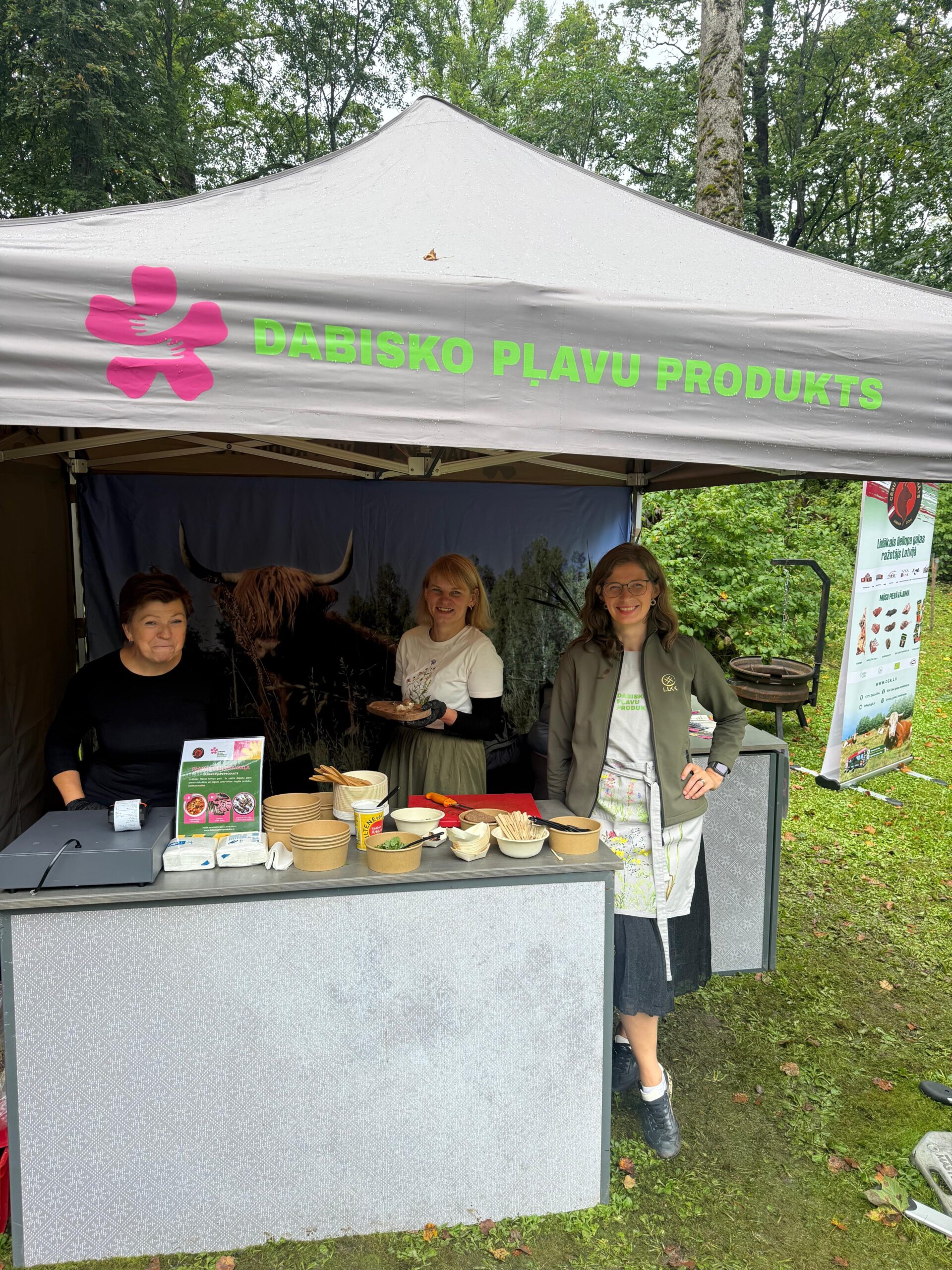
A meadow – for most of us, it means summer, the colours of the flowers, the scent of grass warmed by the sun, the buzzing of insects, haymaking and Midsummer. But even during the darker months of the year, the meadow can find its way into our homes, our kitchens or our plans for next summer. The Latvian Nature Fund has compiled a list of the most unusual meadow products – they all bear the “Natural Meadow Product” label. This is a label awarded by the Latvian Nature Fund to products and services that originate from natural meadows and whose producers manage and preserve this natural treasure of Latvia.
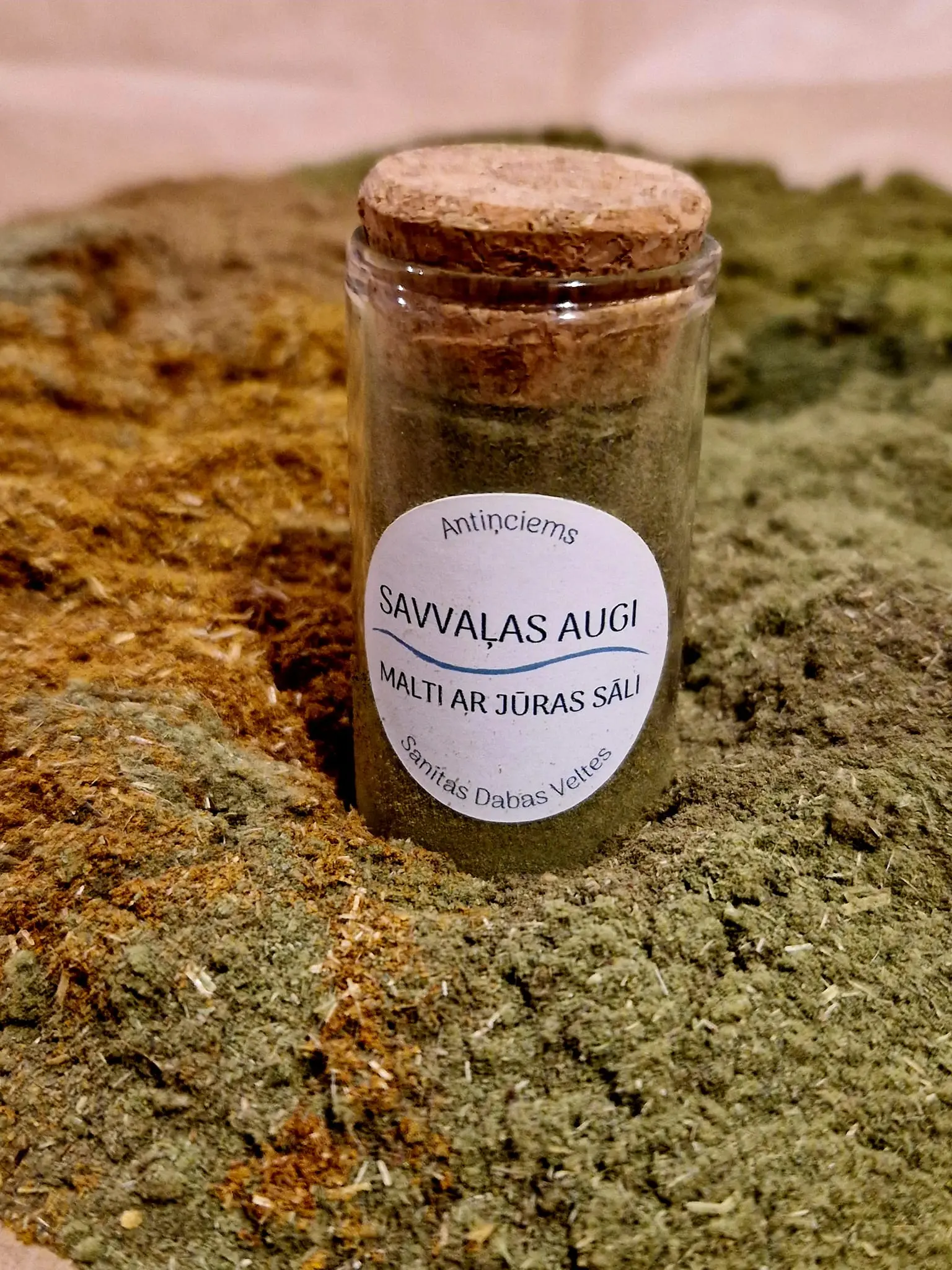
Herb powders – spices and pesto
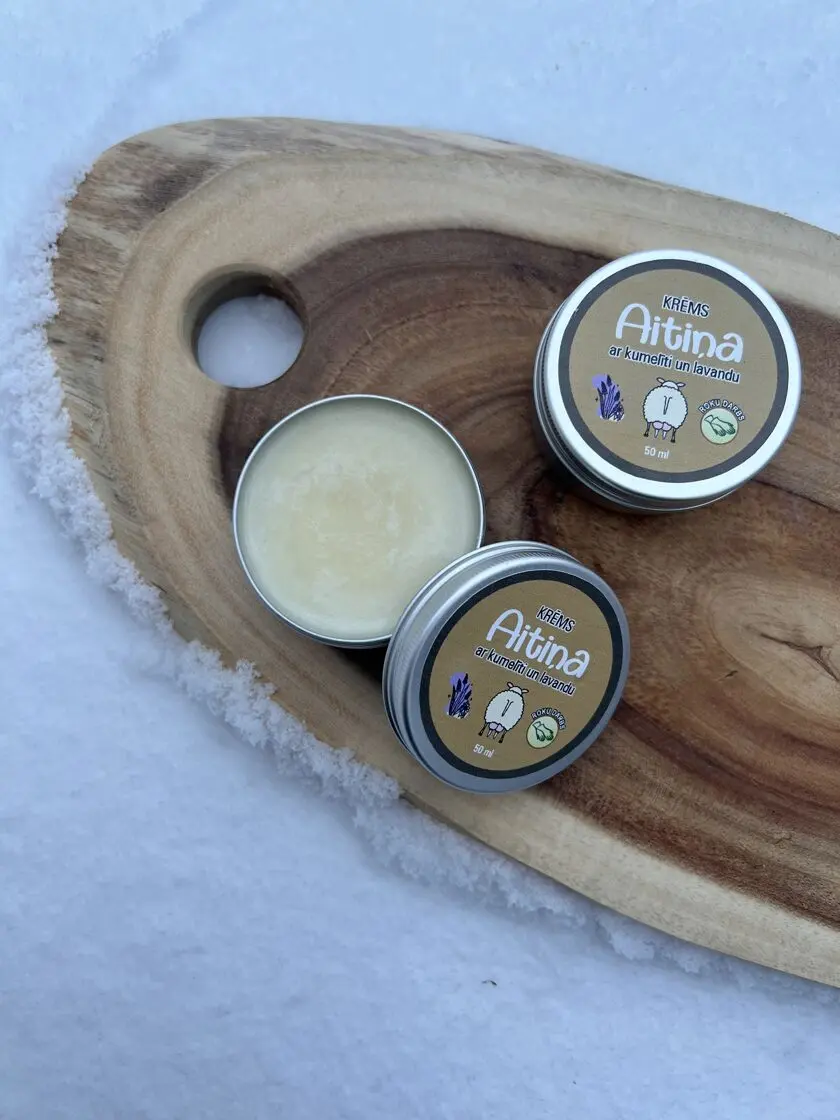
Latvia’s natural grasslands are home to a vast array of plant species – more than 520 in total – accounting for a third of Latvia’s total flora. Among these plants are many that we use as medicinal herbs, but many of them can also be used as culinary herbs and to enhance dishes. Teas, salt made from dried meadow plants, powders and ointments, as well as pesto – these are all products of natural meadows.
Sheep’s milk products
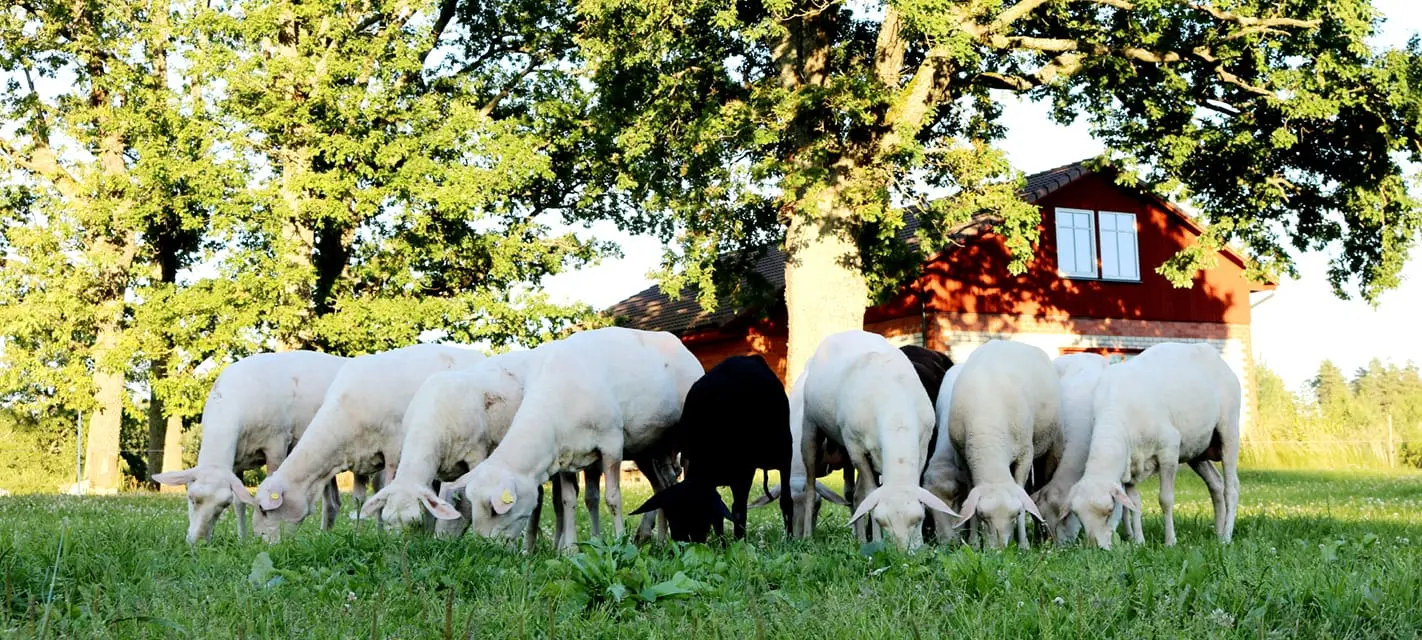
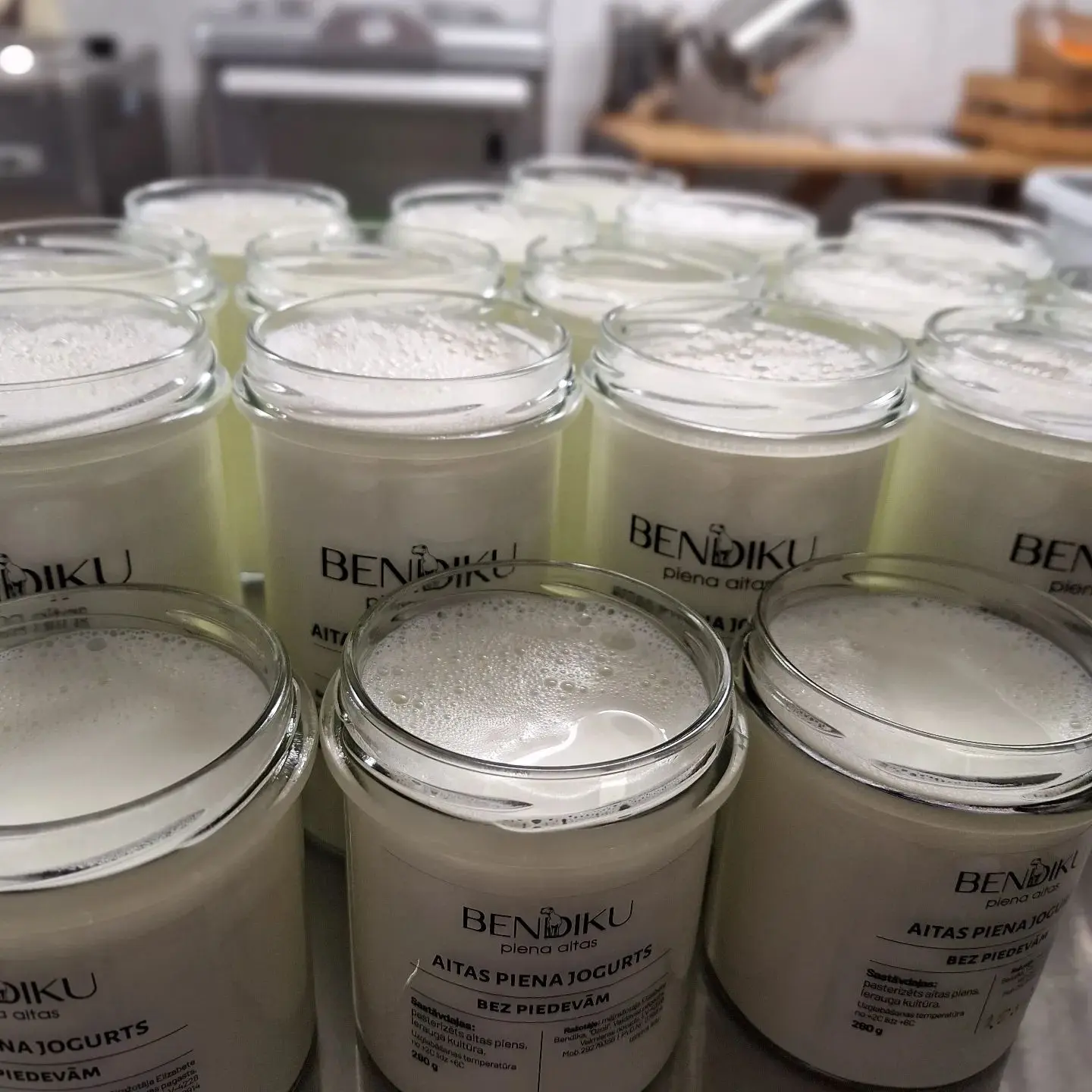
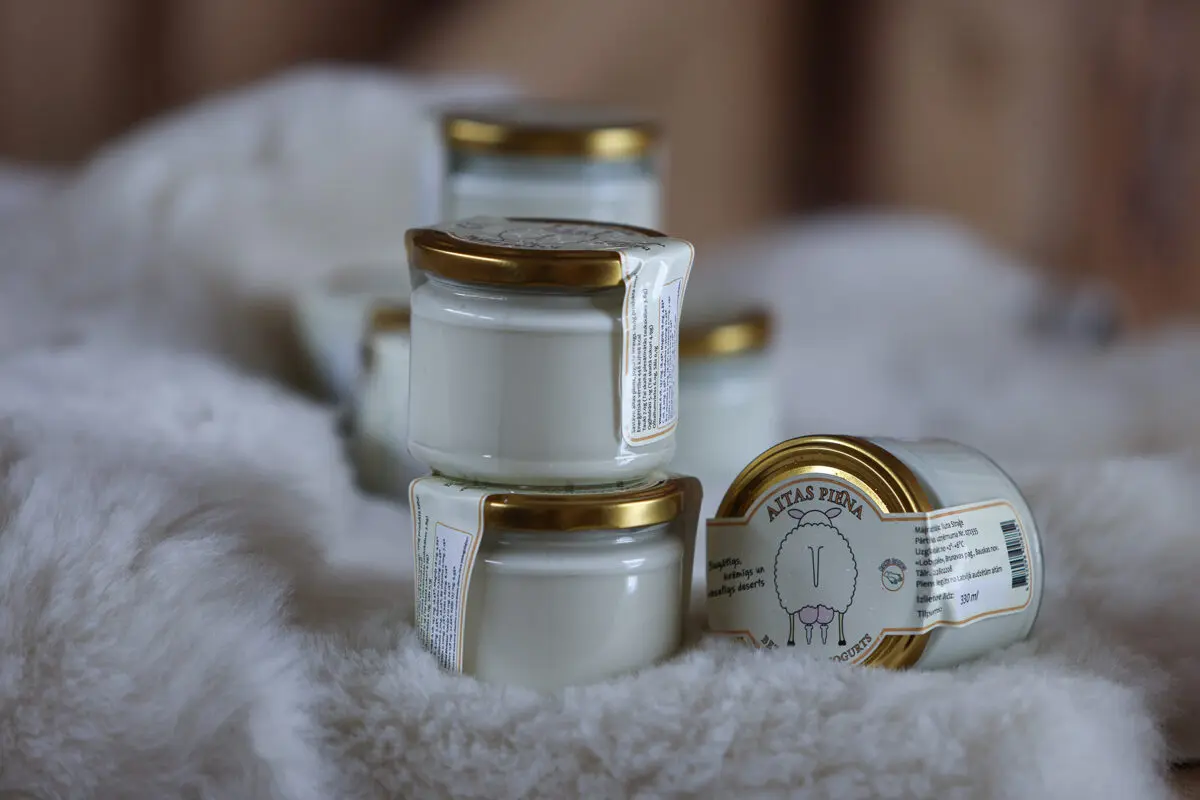
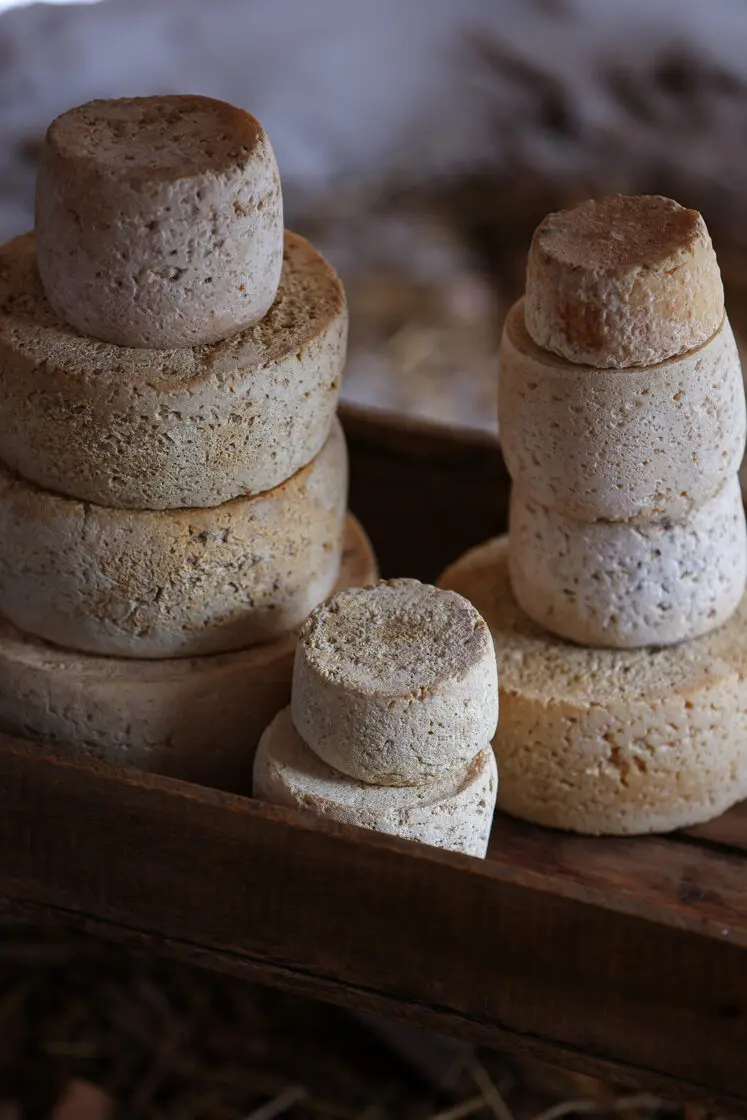
At present, there are only two farms in Latvia that rear dairy sheep, and these sheep are very fortunate – they can graze in natural meadows and enjoy a wide variety of plants in their daily diet. The same cannot be said for cows, but sheep’s milk is considered the most valuable of all milks – it contains high-quality protein, is easier to digest, and is rich in phosphorus, B vitamins and calcium, and is good for cardiovascular health as well as the immune system. Sheep’s milk is not only healthy but also highly suitable for making a variety of dairy products – it produces excellent hard-ripened cheese, particularly creamy yoghurt, light ice cream and more. Both farms that produce these products manage natural meadows and carry the “Natural Meadow Product” label.
Tea Mandala Masterclasses
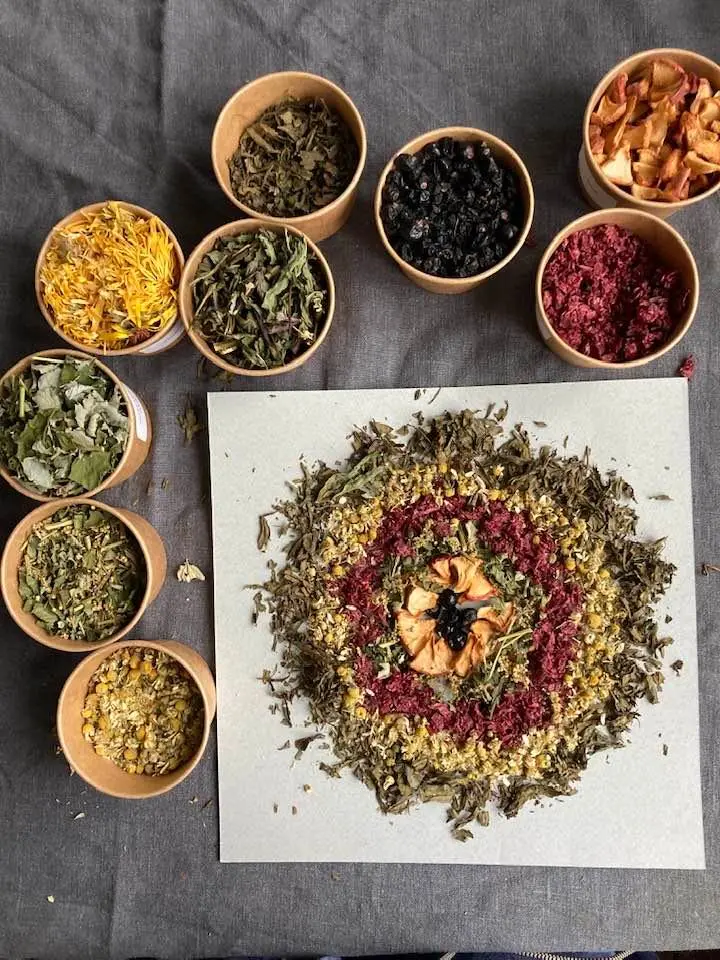
Herbal teas are the first product that usually springs to mind when thinking of meadow produce. However, Evita Lūkina, manager of the “Lauku tēja” brand at the “Ozoliņi” farm, has taken tea and the enjoyment of it to a whole new level – through her teas, she offers an introduction to the world of plants, conversations with plants, mindfulness practice and self-discovery. The tea mandala masterclasses created by Evita allow participants to find a moment of peace in which to focus intently on the plants, to experience their scent, colour and texture whilst creating their own personal mandala. It will reflect the mood of that particular moment and of the mandala’s creator, and may well help you find the answer to some important question. What’s more, afterwards this mandala can be transformed into a steaming cup of tea. Some of the herbs used in “Lauku tēja” are harvested from natural meadows in the Zaube area, which is why this brand has been awarded the “Natural Meadow Product” label.
Meadow plant syrups
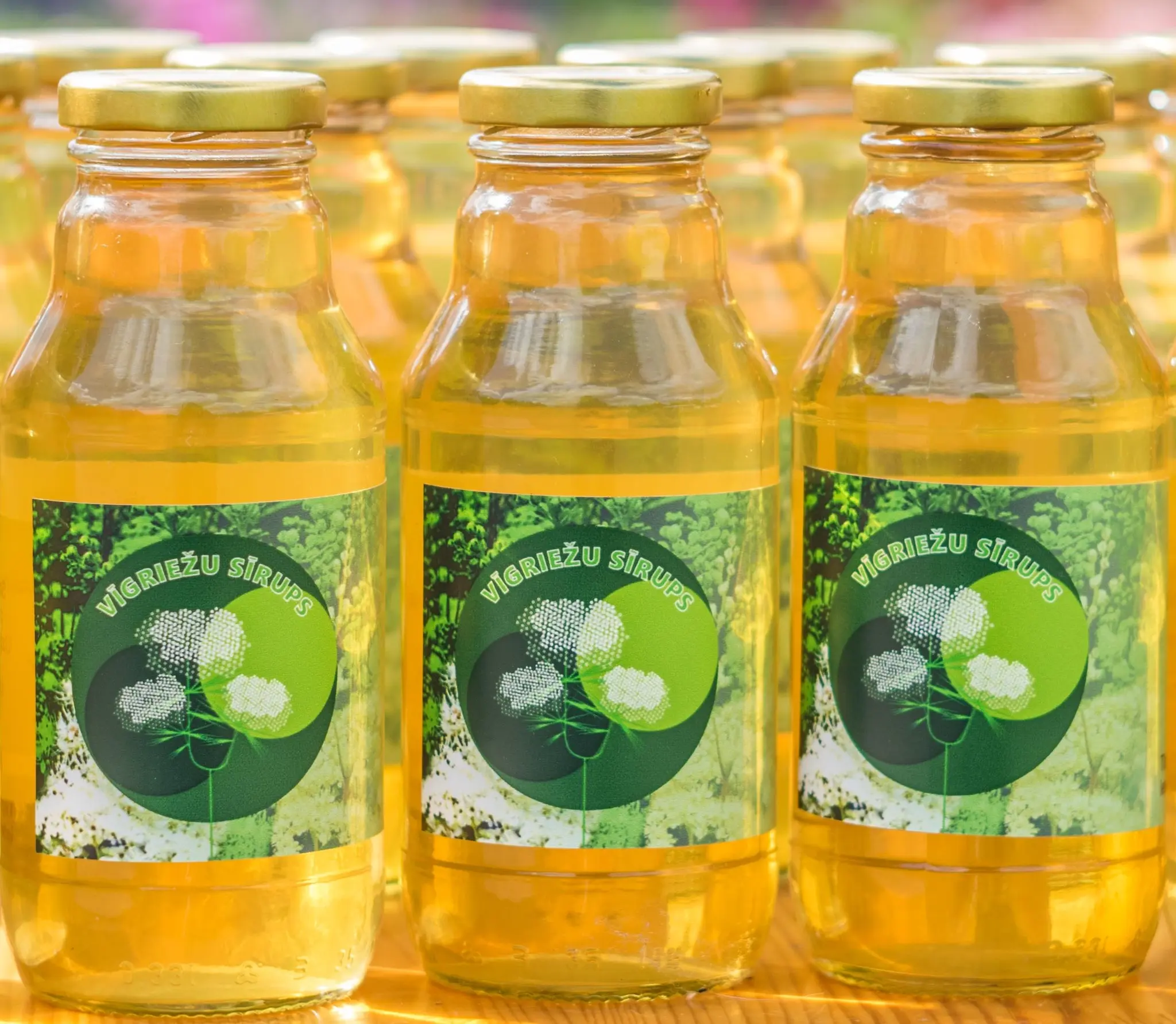
Each species of meadow plant has its own unique blend of chemical compounds, and over many centuries people have learnt which species are beneficial for improving health. Nowadays, however, people are discovering ever new ways to “capture” the value of meadow plants, and one of these is the production of herbal syrups. Syrup preserves the plants’ aroma and valuable substances, and can be used in a wide variety of ways – as a base for cold or hot drinks, as an addition to desserts or pancakes, or in salad dressings.
Meadow Tourism
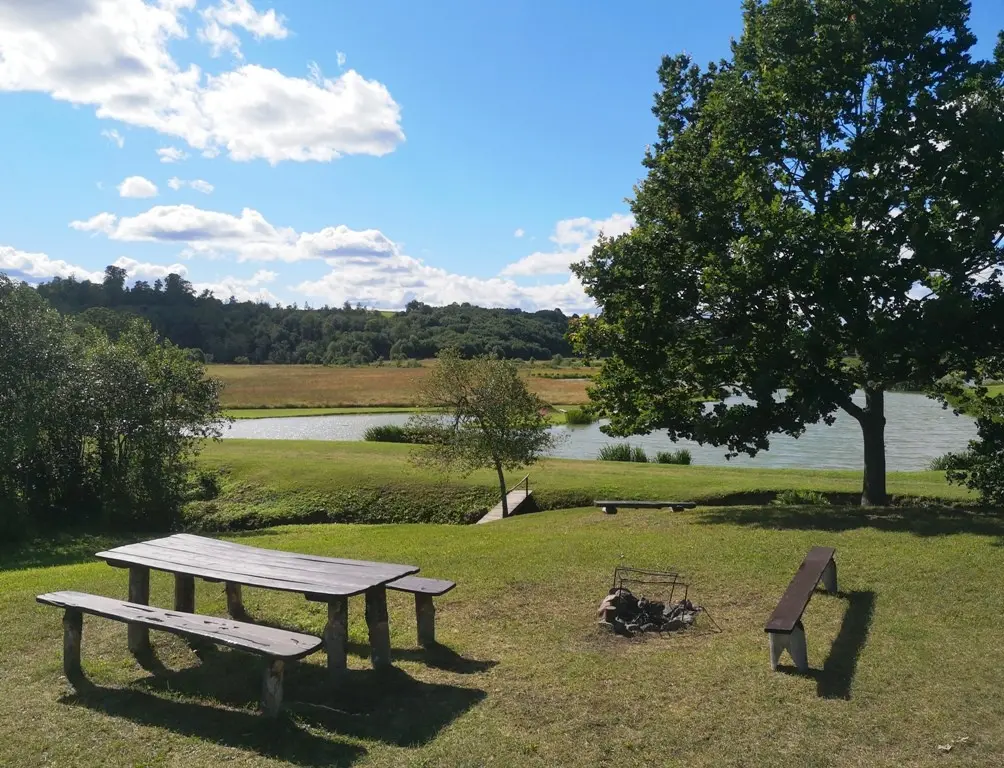
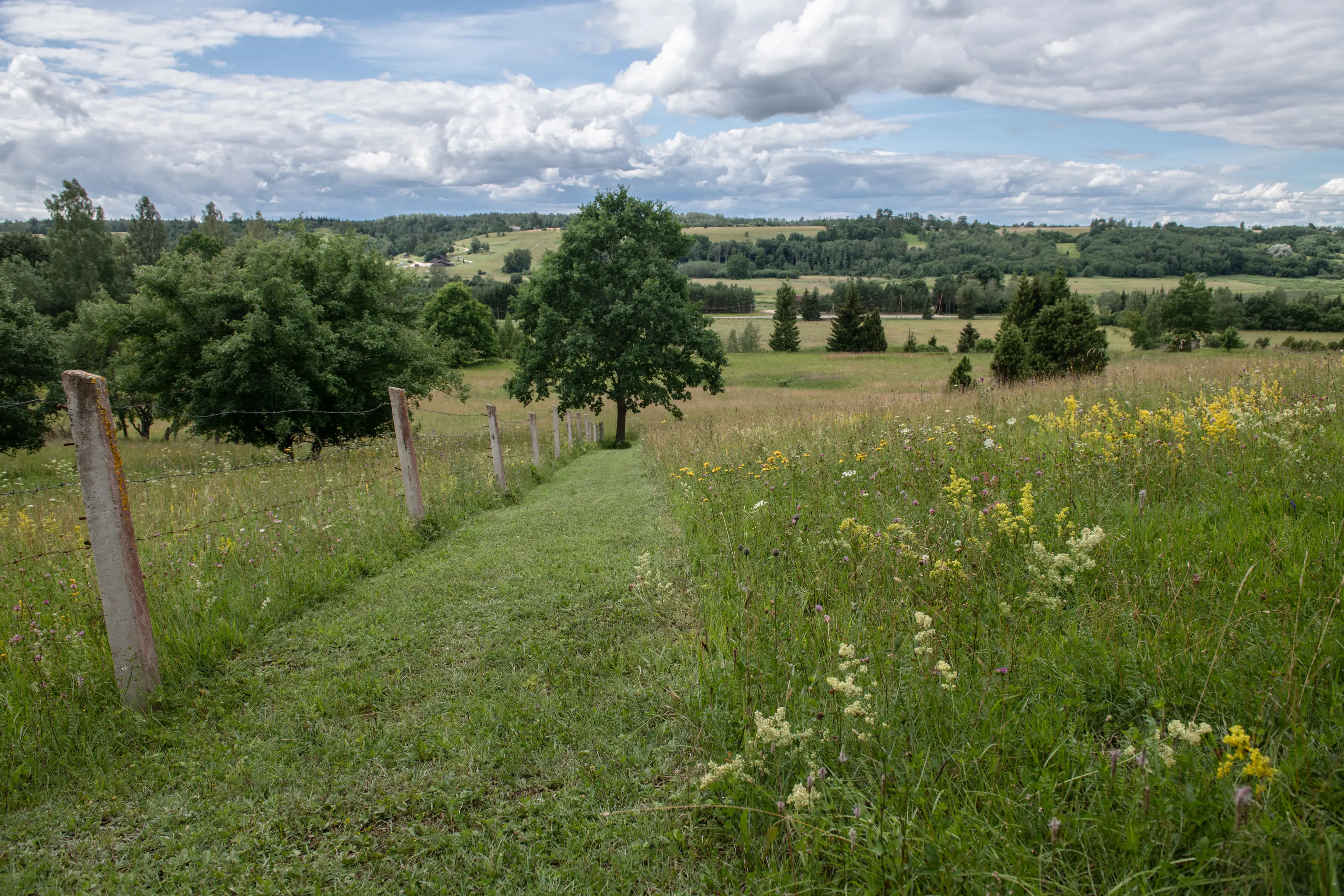
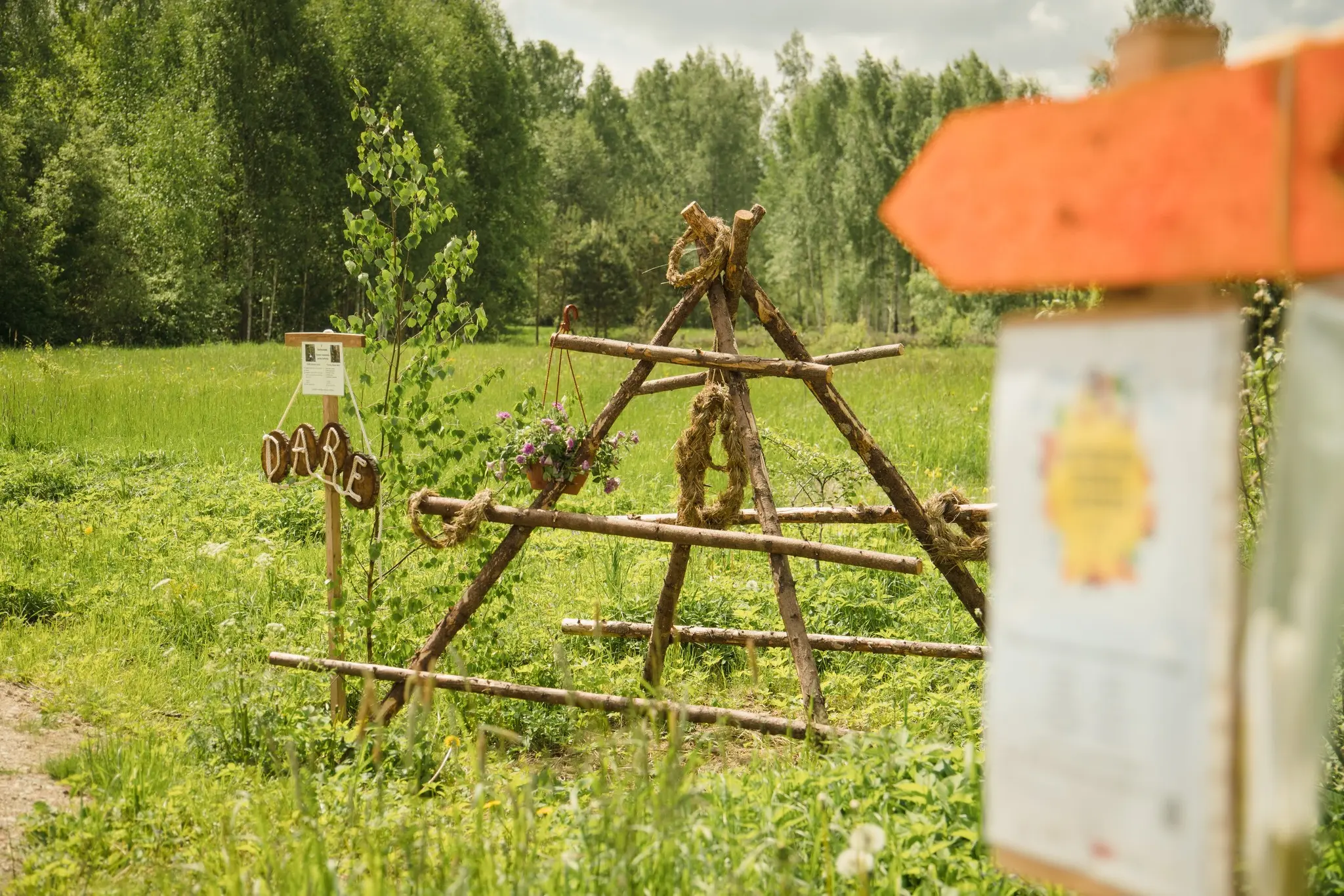
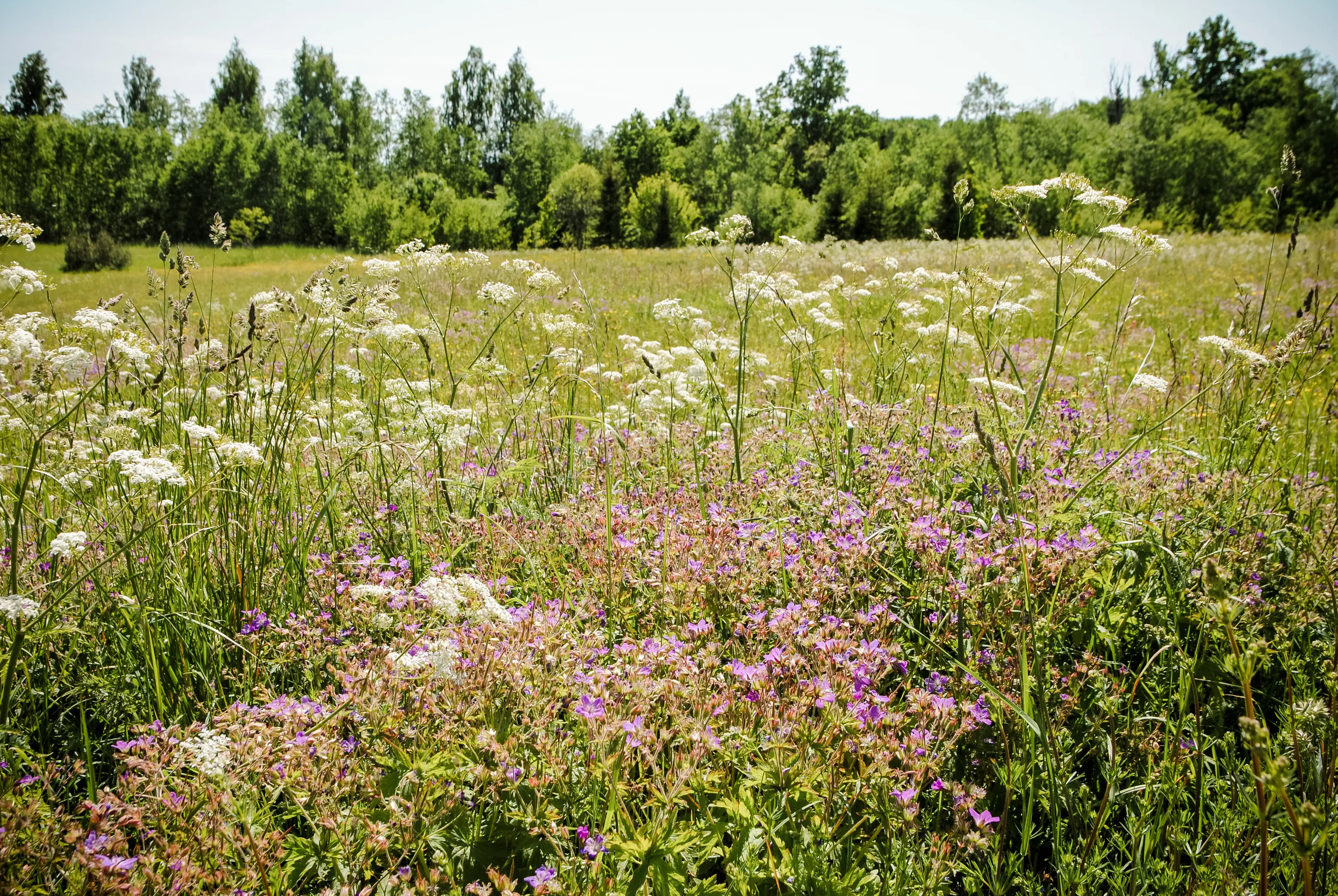
The products of natural meadows are not only those that you can hold in your hands, eat or drink, but also those that can be enjoyed through other senses – sight, smell, touch and even with the heart, as natural meadows bring a sense of joy and harmony to everyone who experiences them. Unfortunately, in Latvia, natural meadows now cover just 0.9% of the country’s territory – 100 years ago, they covered 30%. Many people in Latvia today do not have the opportunity to visit such a natural meadow. That is why several farmers are offering meadow tourism – this provides an opportunity both to walk along botanical trails and learn about the plants and the meadow ecosystem, and, during the flowering season, to enjoy the heady scent of the meadow plants, accompanied by the buzzing of pollinators and the presence of grazing goats. There are also opportunities to spend the night in cottages set up in the meadows and experience the wonderful meadow mornings with birdsong and wisps of mist.
At present, 12 producers in Latvia have been granted the right to label their tourism services with the “Natural Meadow Product” mark.
Handicrafts – ceramics
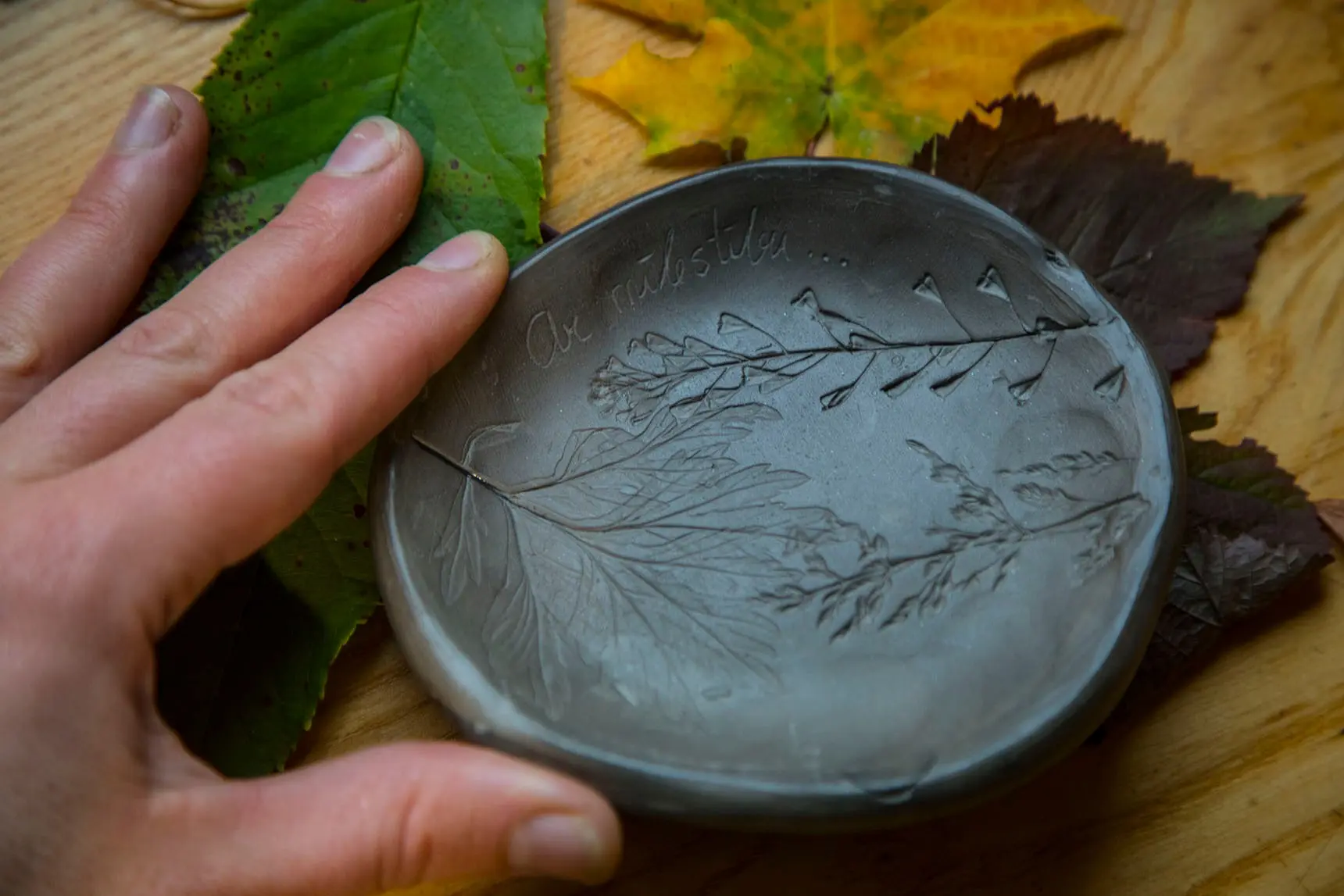
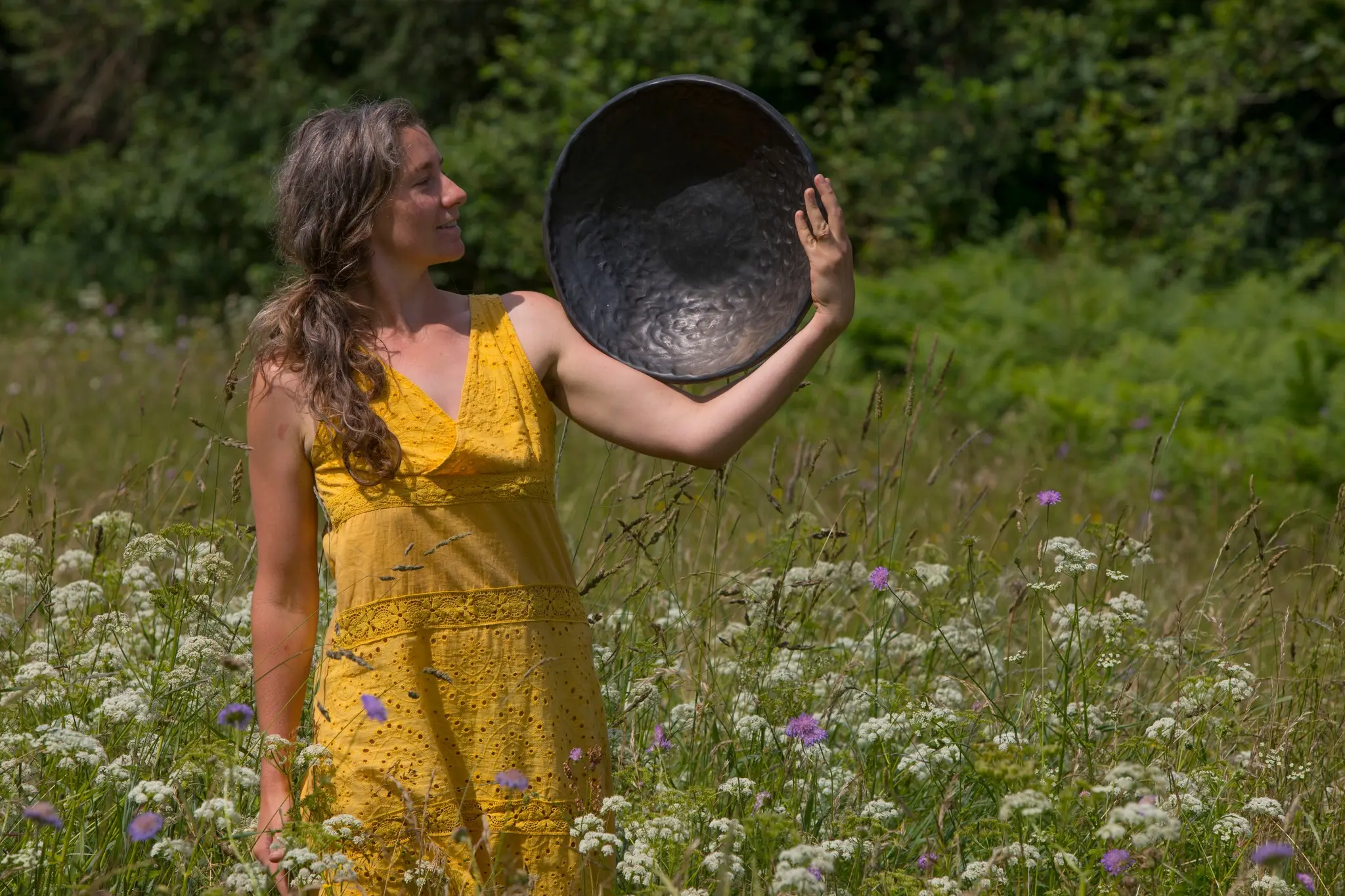
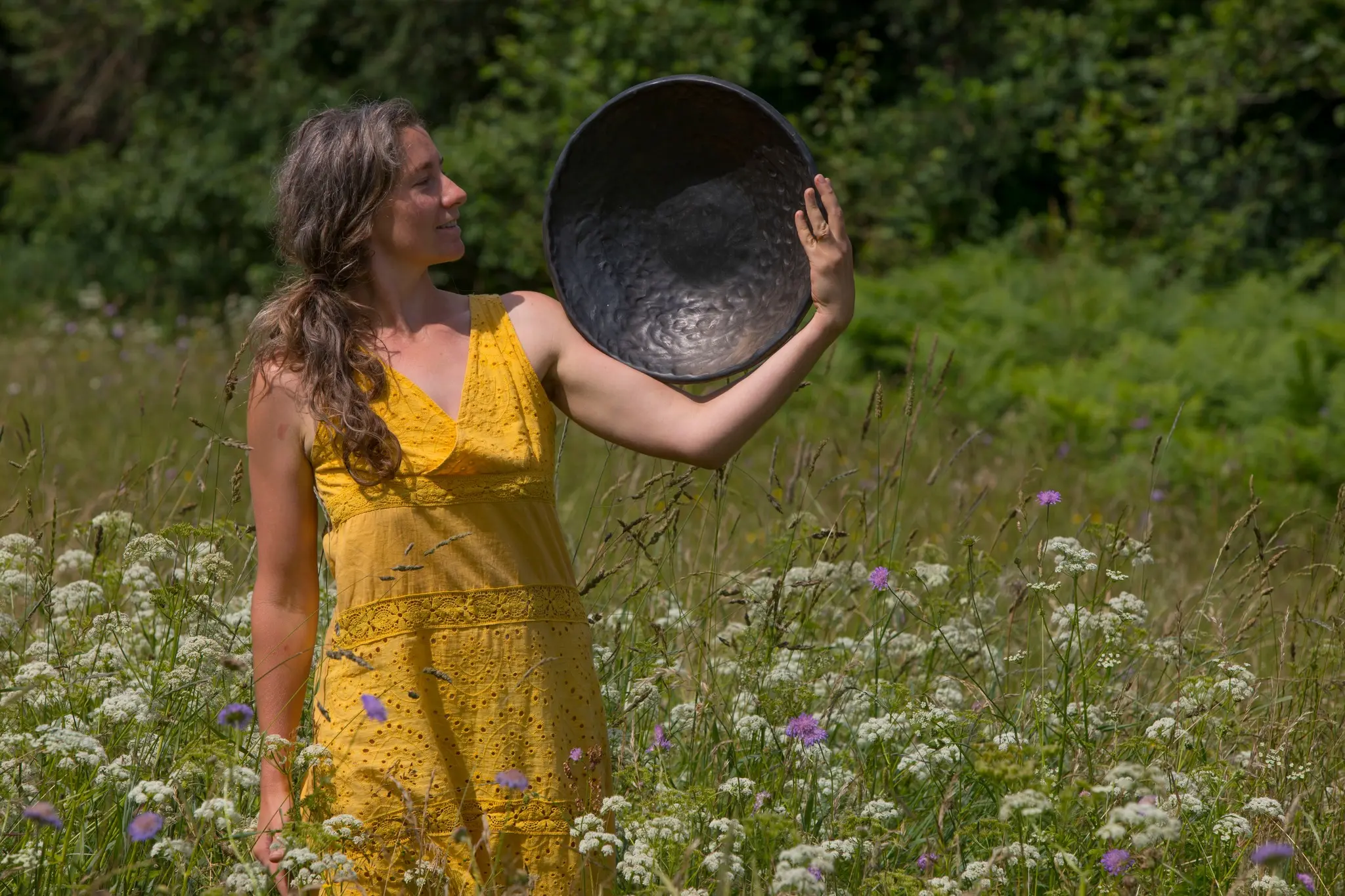
A natural meadow can be both an experience and a source of inspiration. There are natural meadow managers who combine the two – for example, the ceramicist Linda Priedniece uses plants from her natural meadow in her ceramic works, as well as offering pottery-making workshops which can be combined with exploring nature and the meadows in the Abava Valley. Linda’s pottery features both impressions of plants from natural meadows and a touch that is soothing to the hand; moreover, these pieces are sturdy and durable. If you pour herbal tea into a mug and place some sheep’s cheese on a plate, you can feel as though you’re in a meadow even in the middle of winter.
About natural meadow products
The conservation of natural grasslands in Latvia depends on people and land management, which is why the Latvian Nature Fund has created the “Natural Meadow Product” label, awarded to products and services produced and offered by natural meadow managers. By purchasing products bearing this label, consumers can support the conservation of Latvia’s natural meadows, as well as obtain unique, high-quality local products with a clearly traceable origin.
Where can you buy natural meadow products? You’ll find them here: www.dabiskoplavuprodukts.lv