
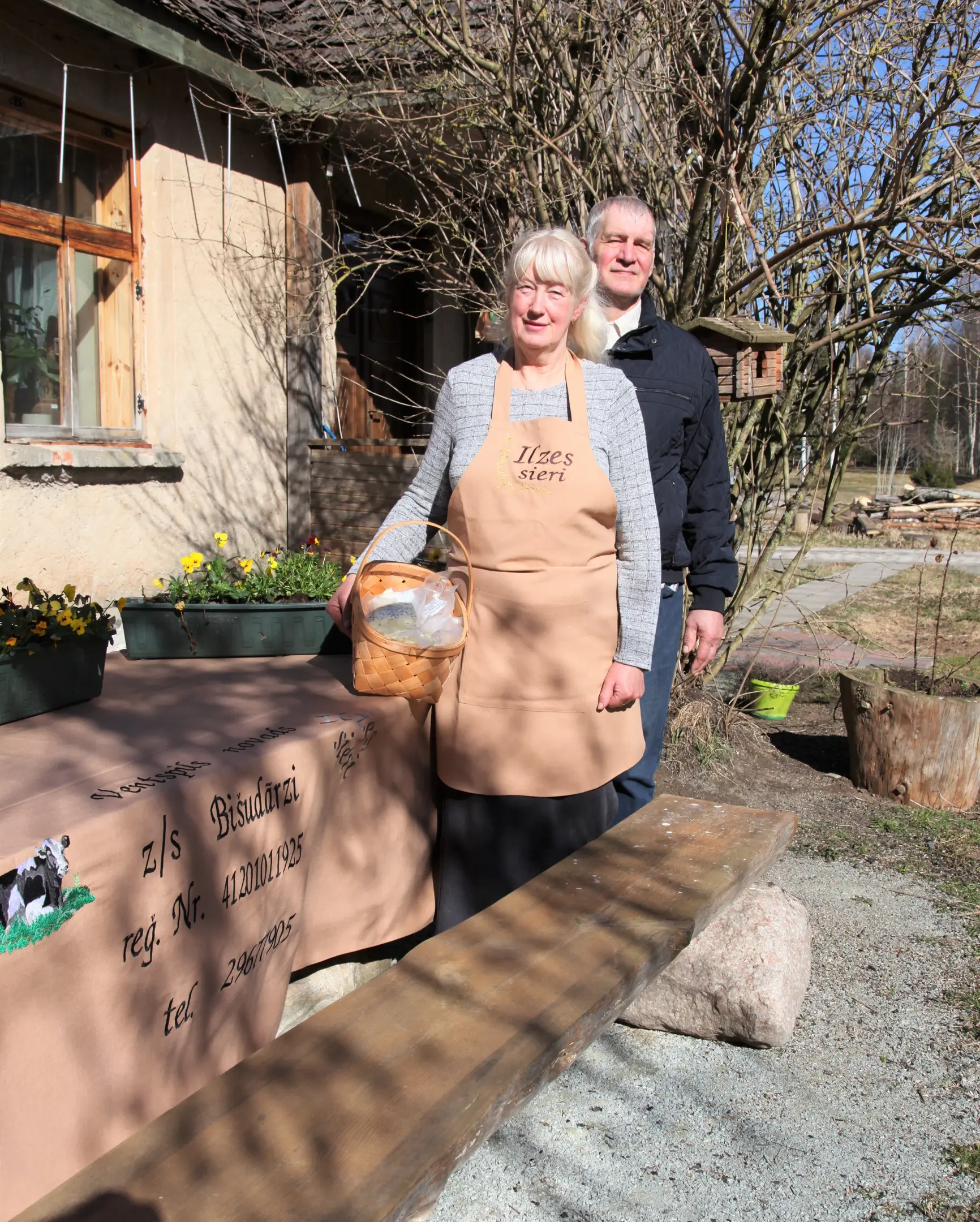
ZS Bišudārzi
5 Ugāles, Piltene Parish, Ventspils Municipality, Latvia, LV-3620
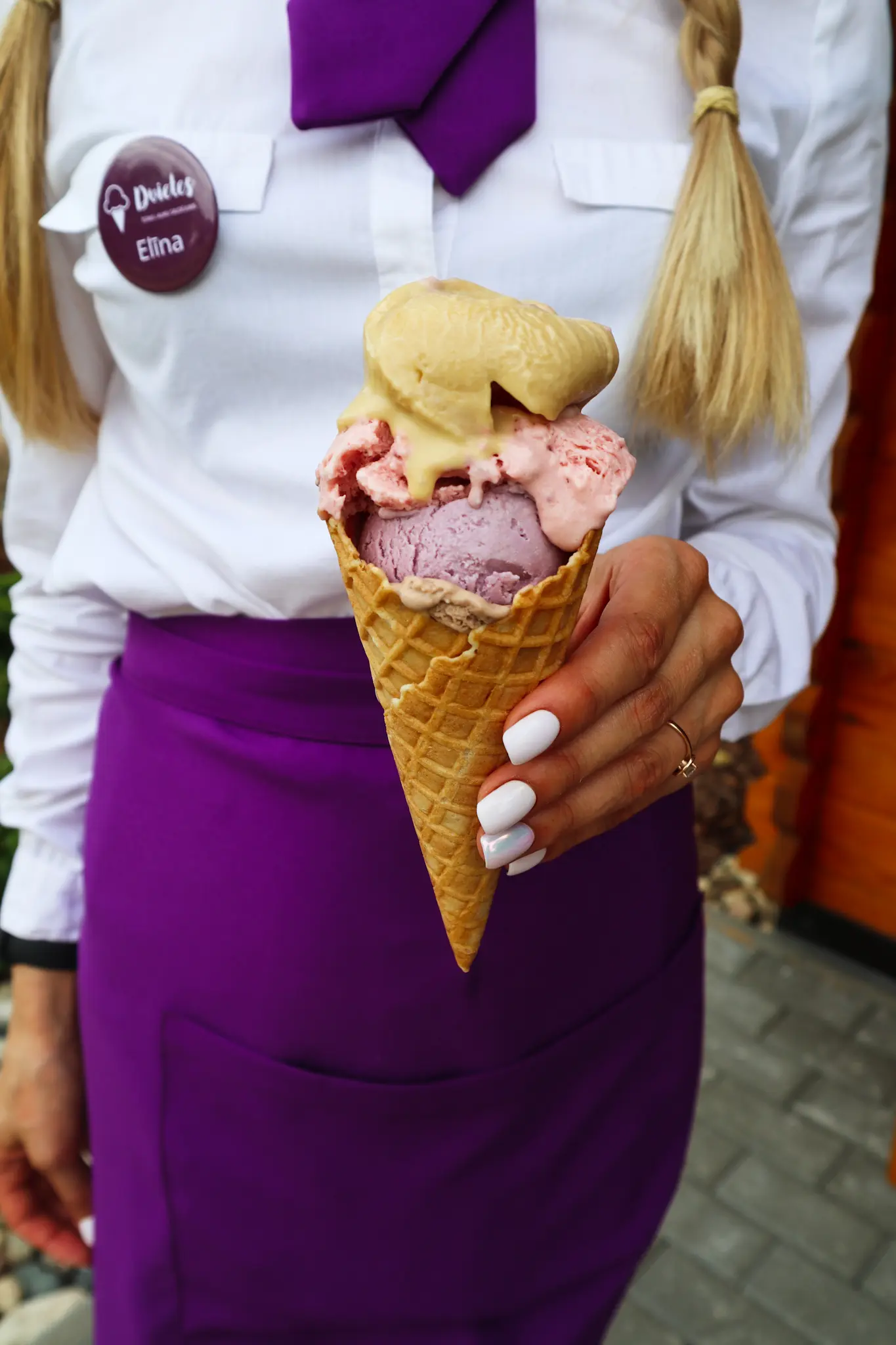
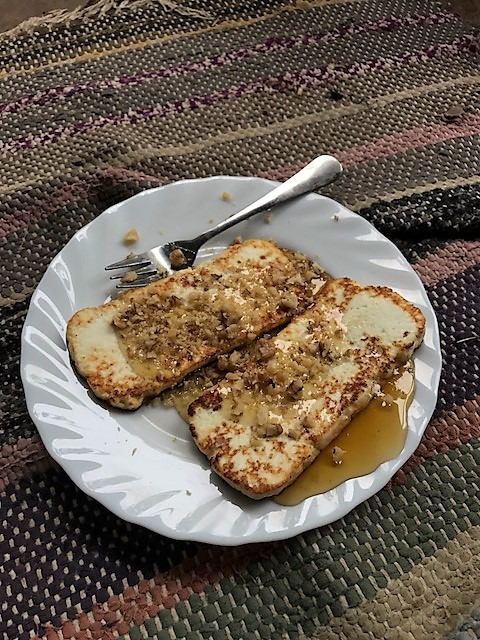
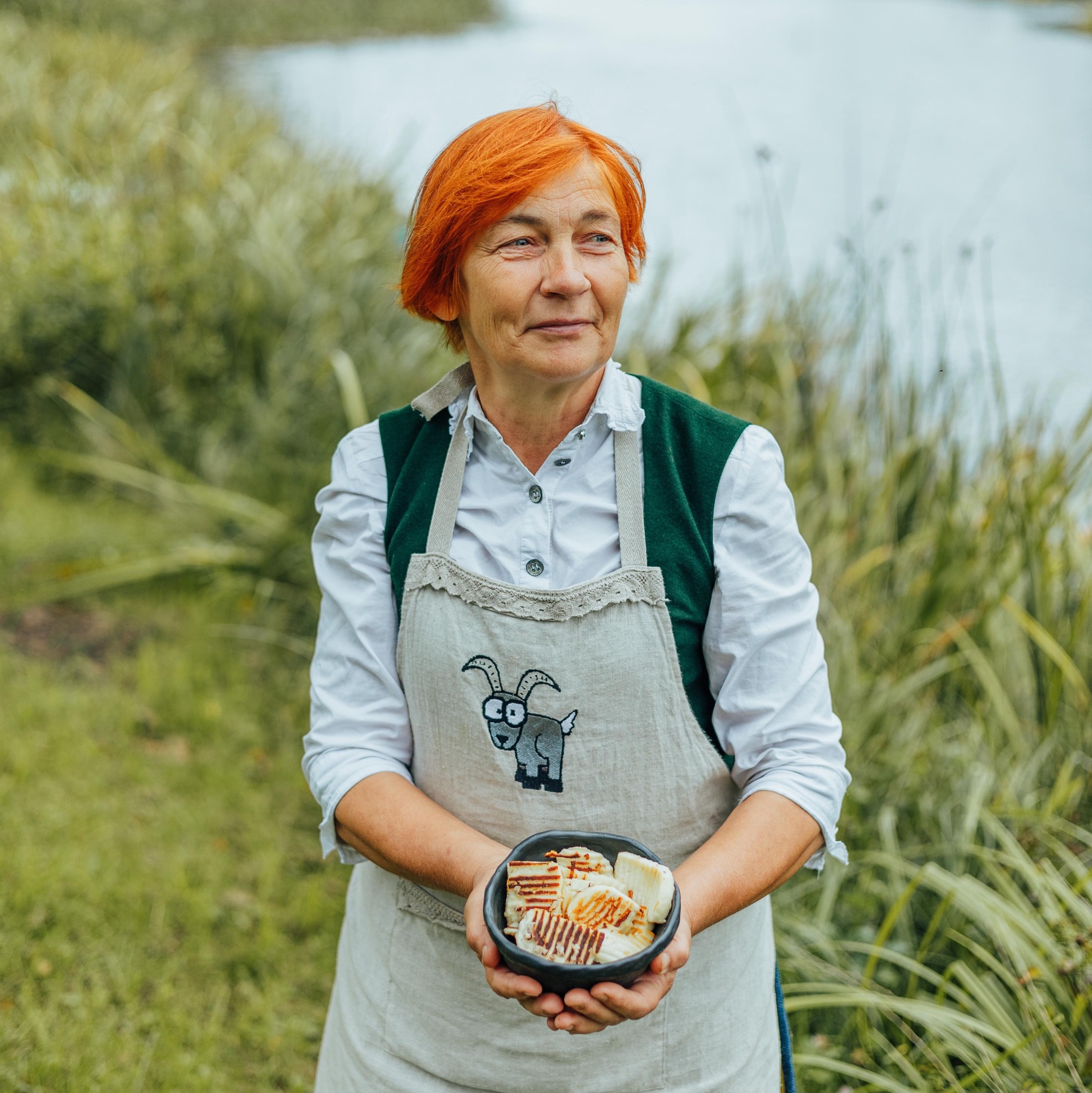
Cow’s milk, processed products.
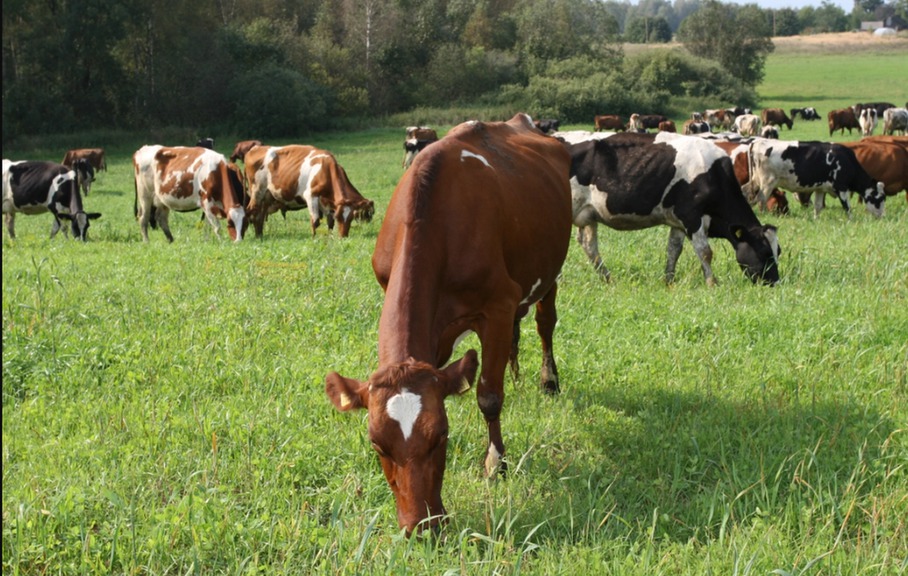
As the light summer morning mist slowly dissipates and a wave of heady scents rises from the ground, the pasture becomes a hive of activity that continues unabated throughout the day. Wandering amongst the carpets of large-flowered buttercups, night-blooming jasmine, lady’s slippers, sunflowers and other flowers, seeking refuge from the heat at the edge of the forest, searching for the last rays of light in the twilight and basking in them, the cows graze in the company of butterflies, insects and meadow birds. They play an important role in the health of these natural meadows, as they clear them of unwanted weeds and disperse the seeds of valuable plants by eating and carrying them. In turn, the natural meadow provides the cattle with everything they need – a meal rich in dozens of different plants, a home surrounded by bright flowers, fresh air, the melodious song of birds and a blue sky.
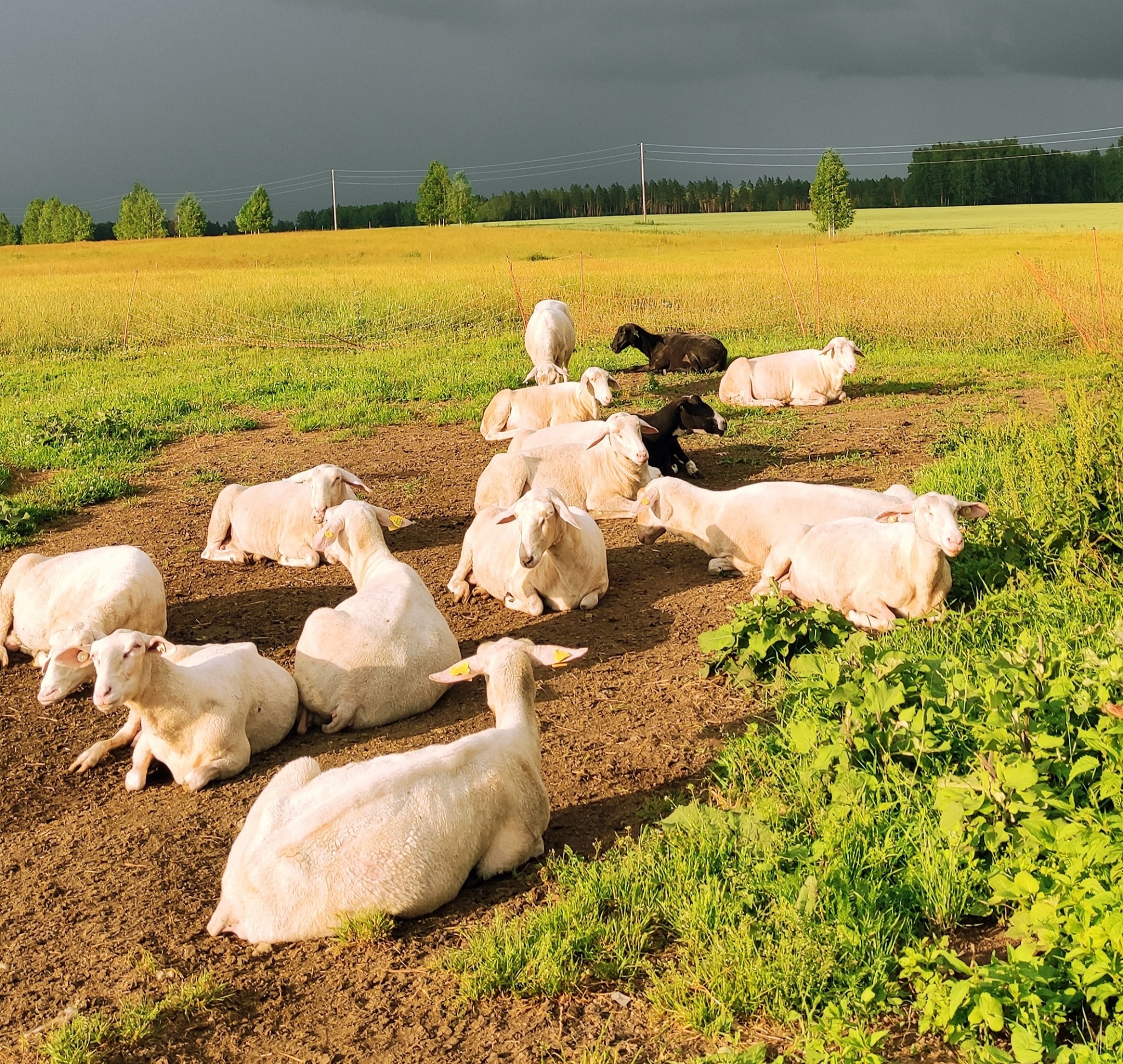
Such an idyllic scene has become a rarity or is now confined to works of art, but let’s consider what benefits we might derive from having more dairy cows, goats and even dairy sheep grazing in natural meadows? It is well known that an animal’s diet affects the composition and quality of its milk – the composition of the pasture shapes the flavour, colour, texture and nutritional value of the milk and its products. Grass improves the quality of dairy products – butter becomes easier to spread, cheese develops more varied flavour nuances and texture, and milk has a higher nutritional value. Milk from botanically diverse meadows has a higher concentration of essential fatty acids and antioxidants.


The owner of the "Natural Meadow Product" label is Latvian Nature Fund.
The brand was created as part of the LIFE19IPE/LV/000010 LIFE-IP LatViaNature project, with the aim of promoting business initiatives for the sustainable management of natural grasslands.
The project "Optimisation of the Management and Stewardship of Natura 2000 Protected Areas" (LIFE19IPE/LV/000010 LIFE-IP LatViaNature) is being implemented with financial support from the European Union’s LIFE programme and the State Regional Development Agency.
The information reflects solely the views of the implementers of the LIFE IP LatViaNature project; the European Climate, Infrastructure and Environment Executive Agency is not responsible for any use that may be made of the information provided here.

 EN
EN