
Jana Berka
Būmeistari, Tārgale Parish, Ventspils Municipality, Latvia, LV-3621
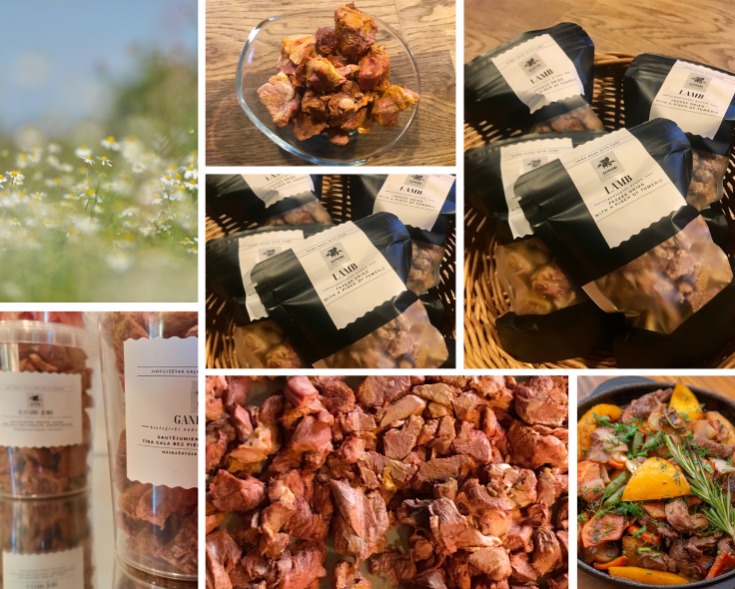
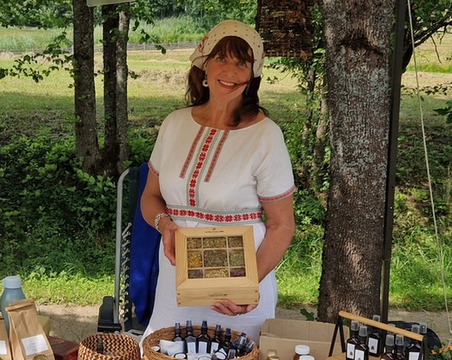
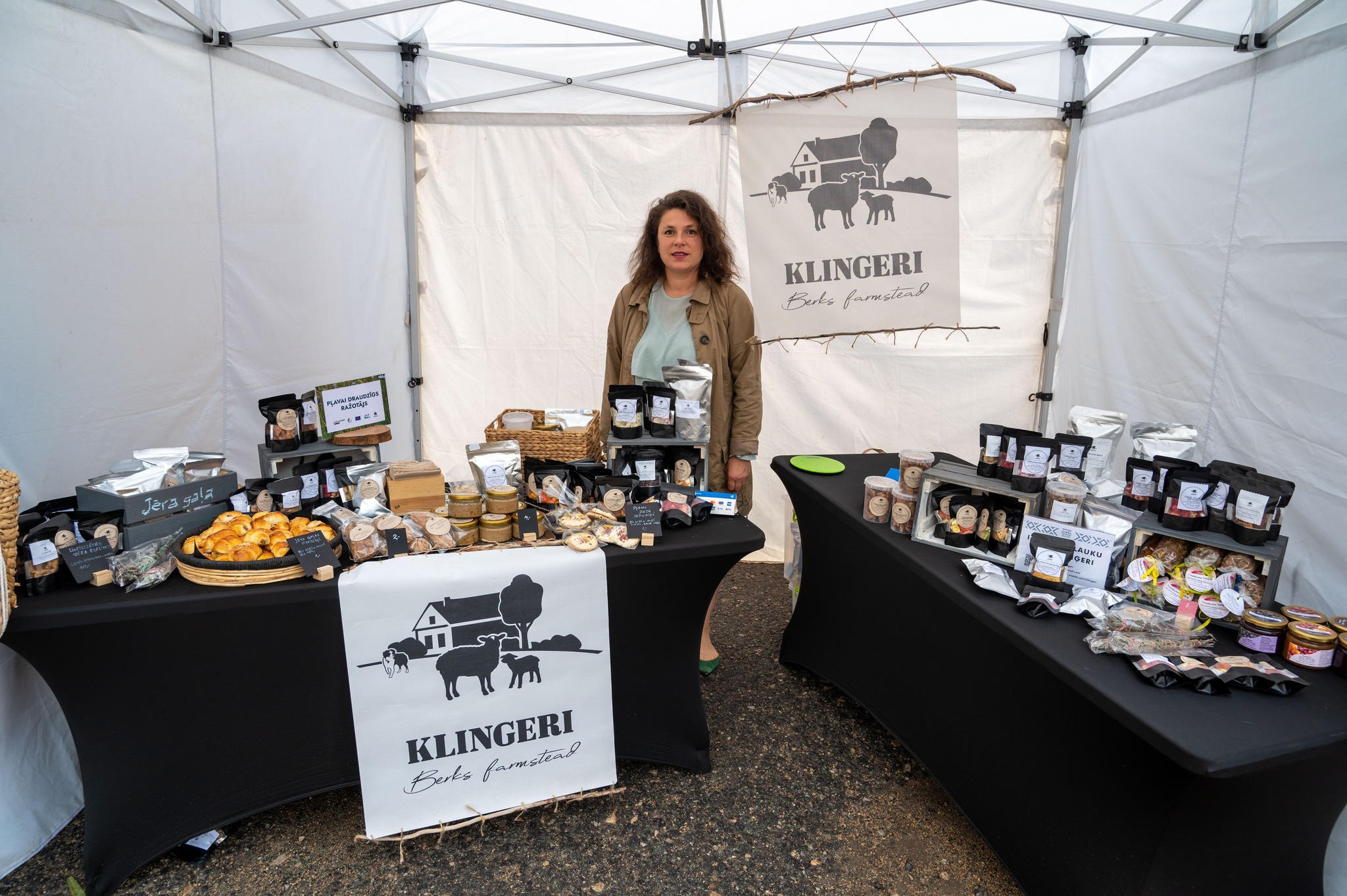
Mutton and lamb, processed products. Sorbet. Teas
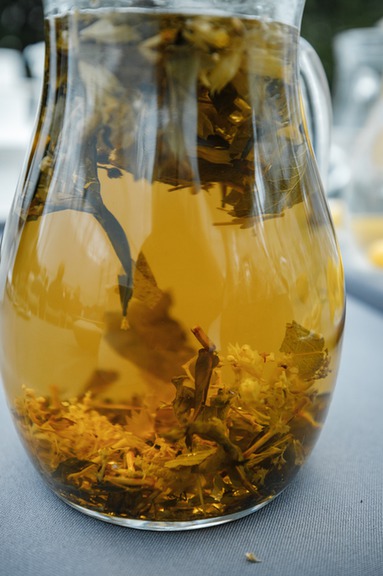
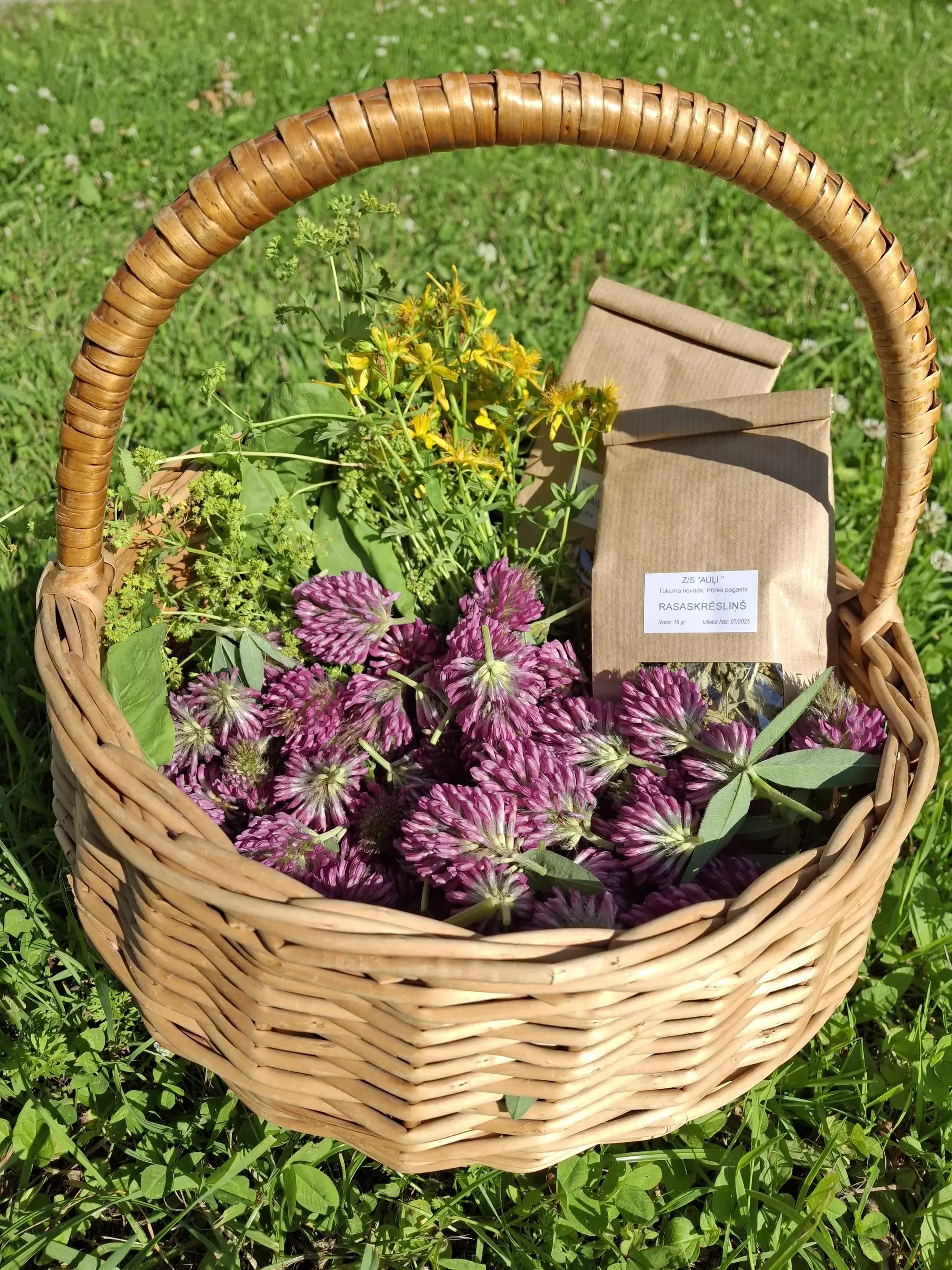
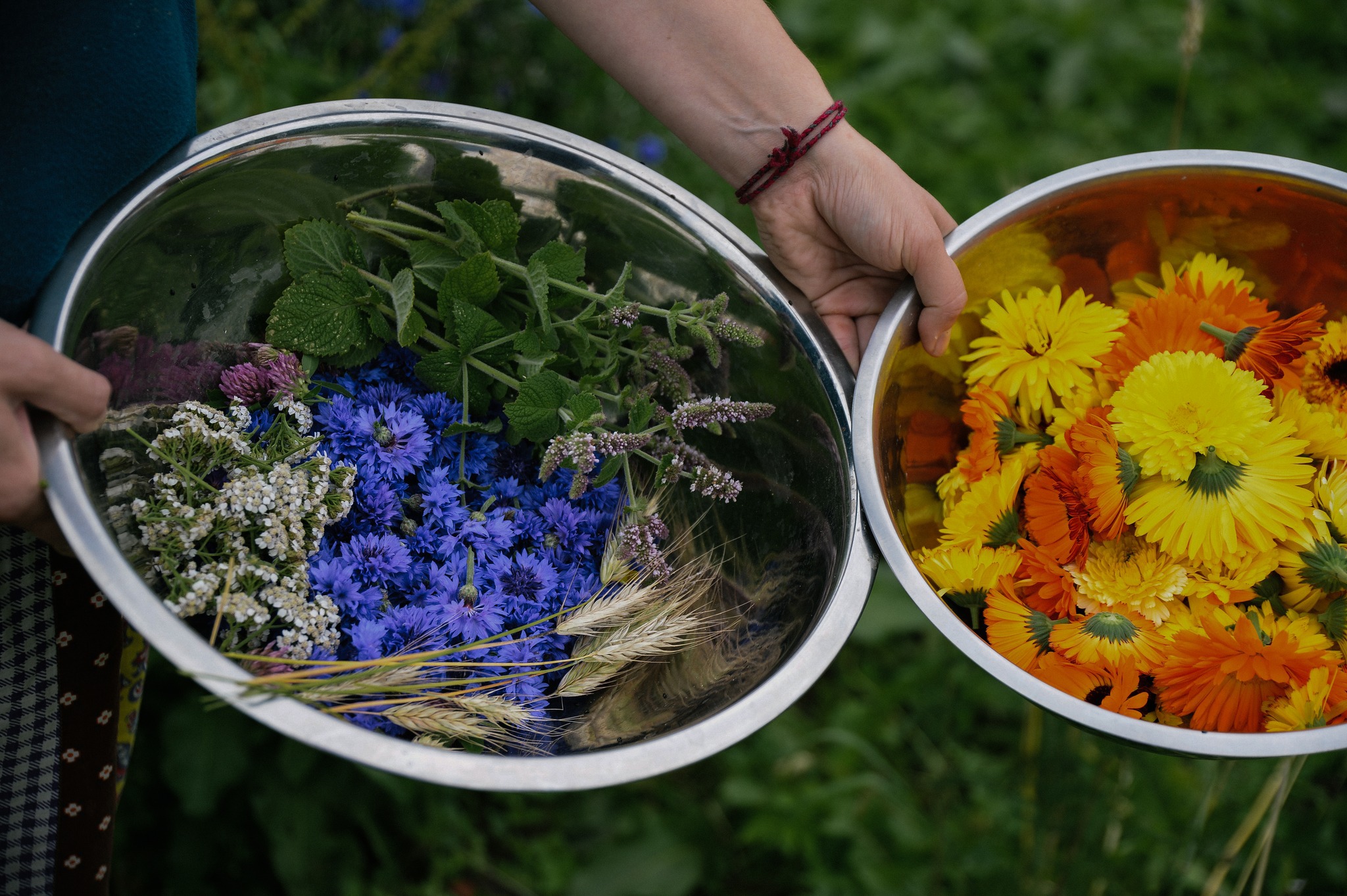
Gathering wild plants for teas is an ancient and popular tradition in the Baltic states, and herbal tea is the first product that people associate with meadows. Our grandmothers used to gather herbs in the meadow, passing down knowledge of the properties, uses and flavours of meadow plants from generation to generation. And more often than not, that is exactly how we use these teas – just as our grandmothers taught us. Today, building on a strong foundation of traditional knowledge and utilising the inherited skills to harvest and preserve the benefits of meadow plants, it is possible to elevate meadow herb tea to a new, modern level. We can view Latvian meadow tea as a modern, contemporary product that takes its place alongside other current trends in the global food industry, not only in Latvia but also beyond its borders, as it makes inroads into the global tea market.
The flavour characteristics of herbal teas, their aromatherapeutic effects and beneficial impact on a person’s well-being, as well as their ability to strengthen the body and help combat ailments – these are well-known benefits. Teas sourced directly from natural meadows offer the drinker even further benefits. Plants from natural meadows will certainly have grown in a clean environment and will be free from pesticide residues. Their flavour, aroma and colour will be more intense. Perhaps some tea drinkers will be drawn in by the wild romanticism of meadow plants – after all, meadow flowers bloom wherever they please.



The owner of the "Natural Meadow Product" label is Latvian Nature Fund.
The brand was created as part of the LIFE19IPE/LV/000010 LIFE-IP LatViaNature project, with the aim of promoting business initiatives for the sustainable management of natural grasslands.
The project "Optimisation of the Management and Stewardship of Natura 2000 Protected Areas" (LIFE19IPE/LV/000010 LIFE-IP LatViaNature) is being implemented with financial support from the European Union’s LIFE programme and the State Regional Development Agency.
The information reflects solely the views of the implementers of the LIFE IP LatViaNature project; the European Climate, Infrastructure and Environment Executive Agency is not responsible for any use that may be made of the information provided here.

 EN
EN